Cart
0
You may also like

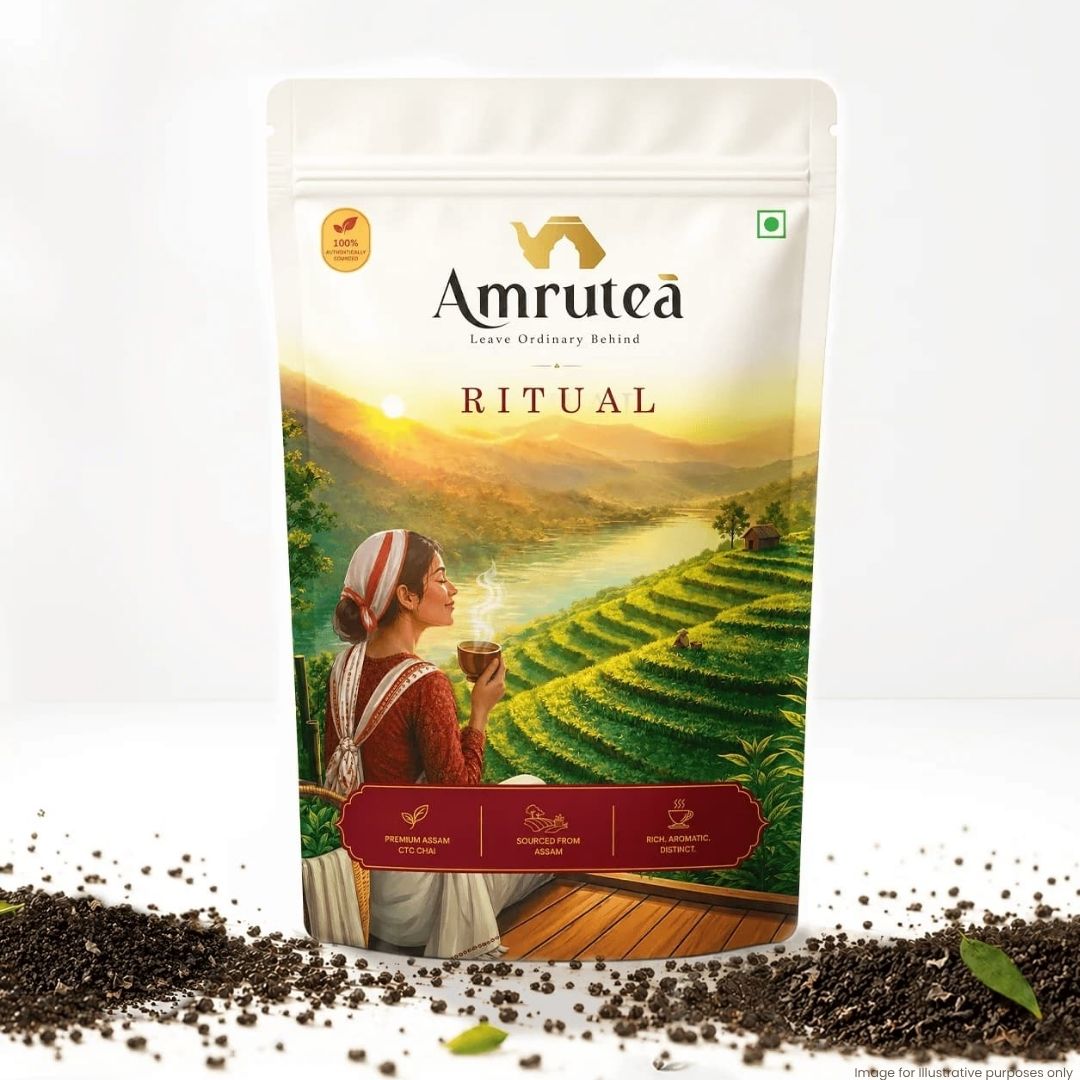


Tea is one of the most loved drinks in the world. Almost every home enjoys a cup of tea daily. But have you ever wondered how tea actually reaches your cup? The tea making process is a long and careful journey that turns fresh green leaves into the flavorful tea we drink.
In this blog by Amrutea, we will explain the tea making process in very simple language. You will learn how tea is grown, picked, dried, and packed before it reaches your kitchen.
The tea making process is the method used to turn fresh tea leaves into different types of tea like black tea, green tea, and oolong tea. Even though all tea comes from the same plant, the tea making process changes the color, taste, and smell of the tea.
Each step in the tea making process is important. A small change in any step can change the final taste of tea.
The tea making process starts in the tea gardens. Skilled workers carefully pluck the top two leaves and a bud from the tea plant. These young leaves have the best flavor.
Fresh plucking is very important in the tea making process because old leaves can make tea taste bitter and dull.
After plucking, the leaves are spread out to dry naturally. This step is called withering. During this part of the tea making process, leaves lose moisture and become soft.
Withering makes the leaves ready for rolling. Without this step in the tea making process, the leaves would break too easily.
Rolling is the next stage in the tea making process. In this step, leaves are twisted or rolled by machines or by hand. This breaks the leaf cells and releases natural juices.
Rolling is important in the tea making process because it helps start oxidation, which gives tea its color and taste.
Oxidation is one of the most important parts of the tea making process. When leaves are exposed to air, they change color from green to brown.
The time of oxidation decides the type of tea. For example, black tea goes through full oxidation, while green tea skips this step in the tea making process.
Drying stops oxidation and removes extra moisture. This step in the tea making process makes the tea leaves stable so they can be stored for a long time.
Drying also strengthens the flavor. Without proper drying in the tea making process, tea can spoil quickly.
Once dried, the leaves are sorted by size and quality. This step in the tea making process helps decide which tea will be premium and which will be regular.
At Amrutea, we carefully select high-quality leaves during this stage of the tea making process to ensure rich taste.
The last stage of the tea making process is packaging. Tea is packed in airtight packets to keep its freshness, aroma, and flavor safe.
Good packaging is a key part of the tea making process because exposure to air and moisture can reduce tea quality.
The tea making process directly changes how tea tastes. Longer oxidation gives stronger taste, while shorter oxidation keeps the tea light and fresh.
That is why green tea tastes fresh and black tea tastes bold. The difference is only because of the tea making process.
Earlier, the tea making process was done fully by hand. Today, machines help make the work faster, but the steps remain the same.
At Amrutea, we respect both tradition and modern technology in the tea making process to bring the best flavor to your cup.
When you understand the tea making process, you start to value tea more. You realize how much effort goes into making a single cup.
Knowing the tea making process also helps you choose better quality tea for your health and taste.
At Amrutea, we follow a careful and clean tea making process. From plucking to packaging, each step is monitored to keep the tea natural and flavorful.
Our goal is to bring you tea that not only tastes good but also tells a story of a perfect tea making process.
The journey of tea from garden to cup is truly amazing. The tea making process involves care, skill, and patience at every step.
Next time you drink tea, remember the detailed tea making process behind every sip. And if you want tea made with love and quality, Amrutea is always ready to serve you the perfect cup.
1. What is the tea making process?
The tea making process is the series of steps used to turn fresh tea leaves into the tea we drink.
2. Does all tea follow the same tea making process?
Yes, but small changes in the tea making process create different types of tea like green, black, and oolong.
3. Why is oxidation important in the tea making process?
Oxidation in the tea making process changes the color and flavor of tea.
4. How long does the tea making process take?
The tea making process can take several hours to a full day depending on the type of tea.
5. Does the tea making process affect tea quality?
Yes, a proper tea making process ensures better taste, aroma, and freshness.


