Cart
0
You may also like

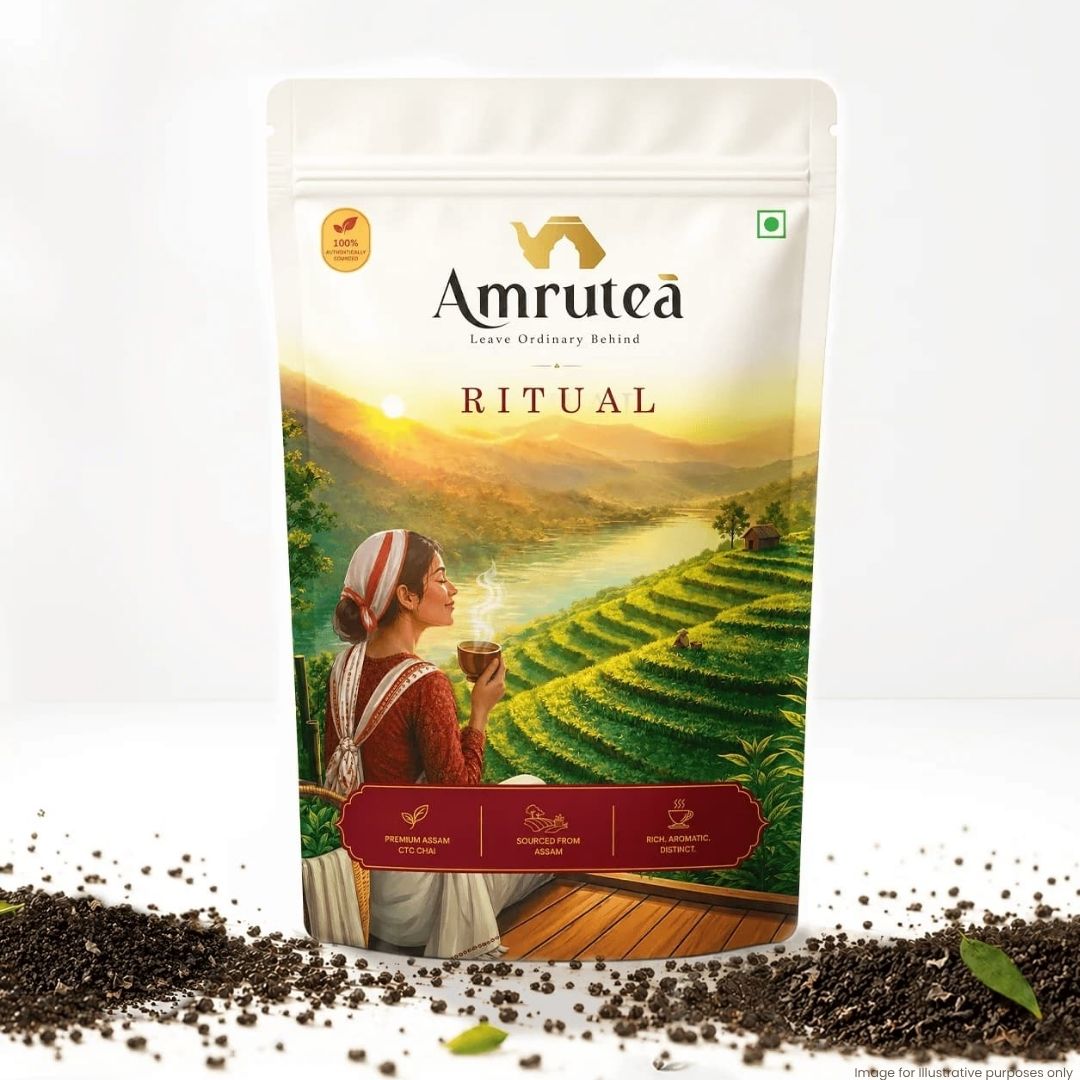


Tea is one of the most loved drinks in the world. Many people drink tea every day but do not always think about the nutritional value of tea. While tea may look like just flavored water, it actually contains natural compounds that can be good for the body.
At Amrutea, we believe understanding the nutritional value of tea helps you enjoy your cup even more. In this guide, we will explain the nutritional value of tea in very simple words so anyone can understand it easily.
When we talk about the nutritional value of tea, we mean the natural substances inside tea leaves that affect our body. Tea is not just a tasty drink — it has nutrients, antioxidants, and other plant compounds.
The nutritional value of tea is different from sugary drinks because tea has almost no calories when taken without milk or sugar. This makes the nutritional value of tea very interesting for people who want a healthy lifestyle.
Understanding the nutritional value of tea helps us see why tea is more than just a habit.
One of the most important parts of the nutritional value of tea is antioxidants. These are natural compounds that help protect the body from damage caused by pollution and stress.
Green tea, black tea, and oolong tea all contain antioxidants, which add to the nutritional value of tea. These antioxidants may help support heart health and overall wellness.
Because of this, the nutritional value of tea is often linked with healthy living.
Tea may not be a main source of vitamins, but the nutritional value of tea still includes small amounts of helpful minerals. Tea can contain traces of potassium, magnesium, and manganese.
These minerals add to the nutritional value of tea and support body functions in small ways. Even though the amounts are not very high, they still contribute to the overall nutritional value of tea.
Drinking tea daily can gently support the body over time.
Another part of the nutritional value of tea is caffeine. Tea contains less caffeine than coffee, but enough to give mild energy.
The caffeine adds to the nutritional value of tea by helping improve alertness and focus. Since the amount is moderate, the nutritional value of tea offers energy without being too strong.
This makes tea a balanced choice for daily refreshment.
Plain tea without milk or sugar has almost zero calories. This is one reason the nutritional value of tea is popular among health-conscious people.
When sugar or milk is added, the calorie count changes, but the natural nutritional value of tea still remains. Choosing plain or lightly sweetened tea helps keep the nutritional value of tea healthier.
At Amrutea, we encourage enjoying tea in a way that suits your health goals.
The nutritional value of tea also supports digestion. Some compounds in tea can help the stomach feel light after meals.
Drinking tea after food is a common habit in many cultures, and this tradition connects to the nutritional value of tea. The gentle warmth and plant compounds may help the body feel relaxed.
That is why many people trust the nutritional value of tea as part of daily comfort.
Many people ask if tea hydrates the body. Yes, the nutritional value of tea includes hydration since tea is mostly water.
Even though tea contains caffeine, moderate tea drinking still supports fluid intake. So, the nutritional value of tea includes helping the body stay refreshed.
This makes tea both enjoyable and useful.
Different types of tea have slightly different nutritional value of tea. Green tea often has more antioxidants, while black tea has a stronger flavor.
Oolong tea falls in between. But overall, the nutritional value of tea in all real teas comes from the same plant and shares many benefits.
Choosing the type you enjoy most helps you get the nutritional value of tea in a way you like.
At Amrutea, we focus on purity and quality so you get the best nutritional value of tea in every cup. Our tea leaves are carefully sourced and processed to keep their natural goodness.
We believe that understanding the nutritional value of tea helps people make better choices for daily drinks. With Amrutea, your tea is not only tasty but also naturally refreshing.
The nutritional value of tea shows that tea is more than just a warm drink. From antioxidants to gentle energy, the nutritional value of tea supports a refreshing lifestyle.
When enjoyed in moderation, tea can be part of a balanced routine. With Amrutea, you can enjoy the true nutritional value of tea with purity, taste, and comfort in every cup.
Tea is simple, natural, and full of goodness — and now you understand the nutritional value of tea behind every sip.
1. What is the nutritional value of tea?
The nutritional value of tea includes antioxidants, small amounts of minerals, caffeine, and almost zero calories.
2. Does tea have vitamins?
The nutritional value of tea contains very small amounts of some vitamins and minerals.
3. Is tea good for health?
Yes, the nutritional value of tea is linked with antioxidants and hydration benefits.
4. Does adding sugar change the nutritional value of tea?
Yes, sugar increases calories, but the natural nutritional value of tea still remains.
5. Which tea has the highest nutritional value?
Green tea is often said to have slightly higher antioxidants, but all tea types share the nutritional value of tea.


